
Aluminum vs Wrought Iron for Florida patios is a critical decision, shaping the durability, aesthetics, and maintenance of your outdoor living space. The unique climate of Florida, characterized by high humidity, intense sun, and salt air in coastal regions, demands materials that can withstand these challenging conditions without rapid deterioration. Making an informed choice between these two popular metals means understanding their distinct properties and how they perform over time. This guide will explore the 7 brilliant choices for your Florida patio, ensuring your investment enhances your home for years to come.
Key Takeaways
- Understand the fundamental differences between Aluminum vs Wrought Iron in terms of weight, strength, and inherent rust resistance.
- Discover which material offers superior durability and longevity when exposed to Florida’s harsh, humid, and often salty environment.
- Learn about the aesthetic versatility of each metal, from modern aluminum designs to the classic, ornate appeal of wrought iron.
- Grasp the critical maintenance requirements and long-term cost implications associated with both Aluminum vs Wrought Iron.
- Identify practical applications for each material, including outdoor furniture, fencing, gates, and balcony railings, tailored for Florida homes.
- Explore the environmental benefits and top brands to consider when making your ultimate decision for outdoor living.
Understanding Aluminum vs Wrought Iron: Primary Differences for Outdoor Use
The fundamental differences between Aluminum vs Wrought Iron for outdoor use lie in their composition, weight, and inherent resistance to corrosion. Aluminum is a lightweight, non-ferrous metal, celebrated for its natural ability to resist rust. Wrought iron, on the other hand, is a ferrous alloy known for its substantial weight, exceptional strength, and traditional aesthetic. These core distinctions significantly impact their suitability for various outdoor applications, especially in Florida’s challenging climate.
Aluminum: Lightweight, Rust-Resistant, Modern
Aluminum is a highly versatile material, favored for its light weight and ease of manipulation. This makes it an excellent choice for outdoor furniture that may need to be moved frequently. Crucially, aluminum does not rust. Instead, when exposed to air and moisture, it forms a thin, dense layer of aluminum oxide. This protective layer acts as a barrier, preventing further corrosion and ensuring the metal’s integrity, which is a significant advantage in humid environments. Its sleek, clean lines lend themselves well to modern and contemporary designs.
Wrought Iron: Heavy, Strong, Traditional
Wrought iron is an iron alloy with a very low carbon content, historically forged and worked by hand. It is exceptionally heavy and remarkably strong, offering superior resistance to physical impact. This makes it ideal for security applications like robust fencing and gates. Its inherent strength also allows for intricate, ornate designs, giving it a classic, timeless appeal. However, wrought iron is susceptible to rust and requires diligent maintenance to prevent corrosion, especially in moisture-rich climates. This is a key consideration when comparing Aluminum vs Wrought Iron. 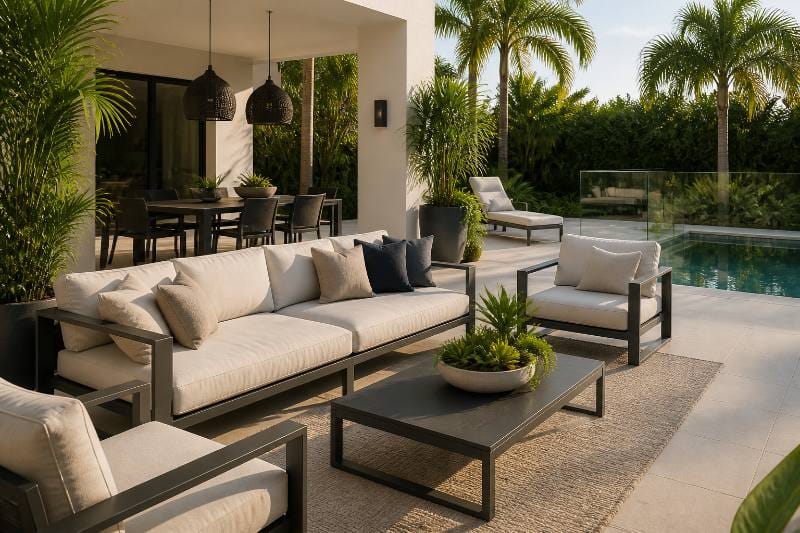
Durability and Longevity: Aluminum vs Wrought Iron in Florida’s Climate
When evaluating Aluminum vs Wrought Iron for Florida’s climate, durability and longevity are paramount. Florida’s high humidity, frequent rain, and coastal salt air can be brutal on outdoor materials. Understanding how each metal withstands these elements is crucial for a lasting investment.
Rust and Corrosion Resistance (Aluminum vs Wrought Iron)
Aluminum’s natural resistance to rust makes it an outstanding choice for high-humidity environments. Unlike wrought iron, which is prone to extensive rust formation when exposed to moisture and salt air, aluminum forms a protective oxide layer. This self-protecting property means aluminum products will not corrode in the same way, requiring minimal effort to maintain their appearance and structural integrity over decades. This is a primary reason why many Floridians opt for aluminum.
Structural Strength and Impact Resistance
Wrought iron generally surpasses aluminum in brute strength and durability against physical impact. For applications requiring maximum security or resistance to heavy use, such as commercial fencing or heavy-duty gates, wrought iron is often the stronger choice. While aluminum is robust enough for most residential applications, its lighter weight means it may dent or bend under extreme force more readily than wrought iron. Both materials, however, can last for many decades with appropriate care.
Aesthetic Considerations: Aluminum vs Wrought Iron for Exterior Decor
The aesthetic considerations when choosing between Aluminum vs Wrought Iron for exterior decor are vastly different, catering to distinct design preferences. Your choice will significantly influence the overall look and feel of your Florida patio and home exterior.
Modern Elegance of Aluminum
Aluminum offers a versatile range of modern, clean, and minimalist aesthetics. It is easily fabricated into sleek, contemporary designs, often finished with durable powder coatings in various colors. This allows for a wide array of styles, from minimalist patio furniture to sophisticated railings. Aluminum’s lighter visual presence can make outdoor spaces feel more open and airy, perfectly complementing modern architectural styles and tropical landscapes.
Timeless Charm of Wrought Iron
Wrought iron delivers a classic, substantial, and often ornate look, conveying a sense of timeless elegance and craftsmanship. Its ability to be hand-forged into intricate patterns, scrolls, and decorative elements makes it a favorite for traditional, Mediterranean, or historic home styles. Wrought iron’s robust presence adds a sense of grandeur and permanence, making it a popular choice for decorative railings and gates that evoke old-world charm. This traditional appeal is a key differentiator in the Aluminum vs Wrought Iron debate. 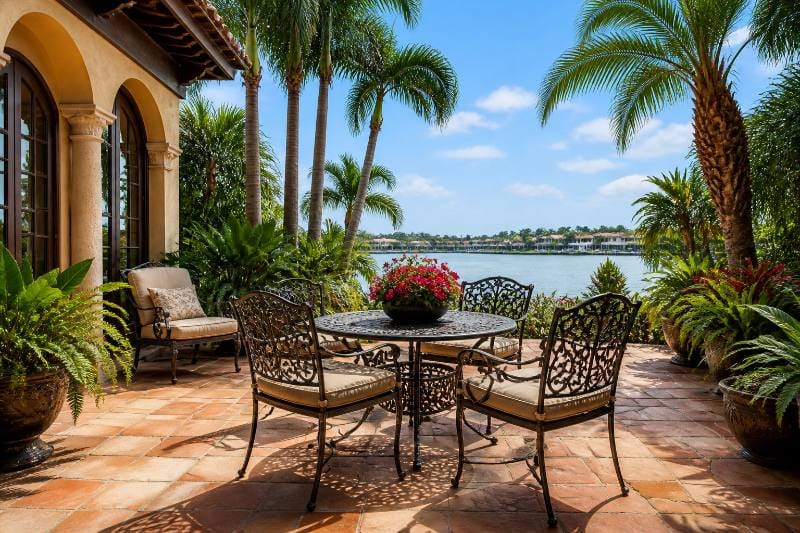
Maintenance and Cost: Aluminum vs Wrought Iron Investment
Understanding the maintenance requirements and cost implications is vital when deciding between Aluminum vs Wrought Iron. These factors contribute significantly to the long-term value and ownership experience of your outdoor products.
Upfront and Long-Term Costs
Typically, aluminum outdoor furniture and fixtures are more budget-friendly upfront than comparable high-quality wrought iron pieces. The greater material weight, complex forging processes, and intricate designs often associated with wrought iron contribute to its higher manufacturing cost and retail price. However, the long-term cost of wrought iron can also be higher due to its intensive maintenance needs, especially in Florida’s climate.
Maintenance Requirements and Effort
Aluminum demands minimal upkeep; regular cleaning with soap and water is usually sufficient to maintain its appearance. Its inherent rust resistance means you won’t need to worry about extensive corrosion. Wrought iron, however, requires diligent maintenance, including frequent cleaning, painting, and rust-proofing treatments to prevent corrosion and extend its lifespan. Neglecting wrought iron in a humid climate can lead to rapid rust formation and structural compromise. This difference in upkeep is a major factor when comparing Aluminum vs Wrought Iron.
Practical Applications: Aluminum vs Wrought Iron for Patios, Fences, and Balconies
Both Aluminum vs Wrought Iron offer distinct advantages for various outdoor applications, from patio furniture to structural elements. The best choice depends on the specific function, desired aesthetic, and environmental exposure.
Outdoor Furniture Choices
For outdoor furniture, aluminum is often preferred in Florida due to its lightweight nature and rust resistance. It’s easy to move, rearrange, and clean, making it highly practical for dynamic patio spaces. Wrought iron furniture, while beautiful and sturdy, is significantly heavier and requires more effort to reposition, and its rust susceptibility demands more frequent attention. Many top brands for high-quality aluminum outdoor furniture include Telescope Casual, Tropitone, and Brown Jordan.
Fencing and Gates
When it comes to fencing, wrought iron generally surpasses aluminum in brute strength, making it a superior choice for security fencing where impact resistance is critical. However, aluminum offers better rust resistance and requires less maintenance, making it excellent for decorative, pool, or perimeter fencing where security is less about brute force and more about defining boundaries. Custom aluminum gates are readily available from specialist metal fabrication shops and outdoor living retailers. For installation services for both Aluminum vs Wrought Iron fences, many professional fencing contractors offer comprehensive solutions.
Balconies and Railings
Aluminum is substantially lighter than wrought iron, which simplifies installation and places considerably less structural load on a balcony or building. This is a significant advantage for elevated structures. Wrought iron’s substantial weight necessitates more robust structural engineering and careful installation to ensure safety and stability on elevated platforms. For decorative railings, wrought iron offers classic, ornate designs, while aluminum provides sleek, modern options. Understanding corrosion resistance is key for these applications.
Considering Aluminum vs Wrought Iron for Your Florida Home?
Beach & Patio Outdoor Living offers expert advice and a stunning selection of durable, stylish outdoor furniture and custom services designed to thrive in the Florida climate.
Environmental Impact and Brands: Aluminum vs Wrought Iron
Considering the environmental impact and exploring reputable brands are important final steps in your decision-making process for Aluminum vs Wrought Iron. Both materials have their own footprint and market leaders.
Sustainability and Recyclability
Aluminum generally has a better environmental profile due to its high recyclability; it can be recycled repeatedly without losing quality. This reduces the need for new raw material extraction and energy-intensive primary production. Wrought iron production is typically more energy-intensive, and while iron can be recycled, its products are less frequently reprocessed compared to aluminum. Choosing recycled aluminum can significantly lower the environmental impact of your outdoor products.
Top Brands and Price Comparison
Several reputable brands are known for producing high-quality aluminum outdoor furniture, including Winston and Jensen Leisure, recognized for their durable construction and innovative designs. For wrought iron, brands like Woodard and Meadowcraft are well-regarded for their classic craftsmanship. To compare prices for Aluminum vs Wrought Iron patio sets, local outdoor furniture showrooms, such as Beach & Patio Outdoor Living, are excellent resources. They allow you to see products firsthand and receive personalized quotes, ensuring you find the perfect fit for your Florida patio. The choice between Aluminum vs Wrought Iron is a significant one. Your Florida patio deserves the best.
Your Ultimate Choice for Florida Patios
Choosing between Aluminum vs Wrought Iron for your Florida patio is a decision that balances aesthetics, durability, and maintenance. Aluminum stands out for its rust resistance, lightweight nature, and modern appeal, making it ideal for humid climates and contemporary designs. Wrought iron, with its exceptional strength and classic, ornate beauty, offers a timeless elegance, though it demands more diligent upkeep against corrosion. By carefully considering these factors, you can select the material that best suits your lifestyle, design preferences, and the unique demands of the Florida environment. Your outdoor living space should be a source of joy and relaxation, and the right material choice ensures it remains so for years to come.
Frequently Asked Questions About Aluminum vs Wrought Iron
What are the primary differences between aluminum and wrought iron for outdoor use?
Aluminum is lightweight, inherently rust-resistant, and offers a modern aesthetic, making it excellent for high-humidity and coastal environments like Florida. Wrought iron, in contrast, is very heavy, exceptionally strong, and traditional in appearance, but requires vigilant maintenance to prevent rust and corrosion.
Which material is more durable for fencing: aluminum or wrought iron?
Wrought iron generally surpasses aluminum in brute strength and durability against physical impact, making it a superior choice for security fencing. Aluminum, while robust enough for decorative or pool fencing, offers better rust resistance and requires less maintenance over time.
How does the cost of aluminum furniture compare to wrought iron furniture?
Typically, aluminum outdoor furniture is more budget-friendly upfront than comparable high-quality wrought iron pieces. The greater material weight, complex forging processes, and intricate designs often associated with wrought iron contribute to its higher manufacturing cost and retail price.
What are the maintenance requirements for aluminum vs. wrought iron products?
Aluminum demands minimal upkeep; regular cleaning with soap and water is usually sufficient to maintain its appearance. Wrought iron, however, requires diligent maintenance, including frequent cleaning, painting, and rust-proofing treatments to prevent corrosion and extend its lifespan, especially in humid climates.
Is aluminum or wrought iron better suited for high humidity environments?
Aluminum is significantly superior for high humidity environments such as Florida. Its natural resistance to rust means it won’t corrode, unlike wrought iron which is prone to extensive rust formation when exposed to moisture and salt air without constant protective measures.
Why is wrought iron often considered more traditional than aluminum for decorative railings?
Wrought iron has a rich historical legacy in architecture and decorative metalwork, renowned for its ability to be hand-forged into intricate, classic, and ornate designs. Aluminum, while versatile, typically lends itself to sleeker, more modern, and mass-produced aesthetic styles.
Does aluminum rust like wrought iron, and how does it corrode?
No, aluminum does not rust. Instead, when exposed to air and moisture, aluminum forms a thin, dense, and protective layer of aluminum oxide on its surface. This oxide layer acts as a barrier, preventing further corrosion and ensuring the metal’s integrity.
Where can I purchase custom aluminum gates?
Custom aluminum gates are available from specialist metal fabrication shops, dedicated fence and gate suppliers, and outdoor living retailers. Businesses like Beach & Patio Outdoor Living often provide bespoke design, manufacturing, and installation services tailored to your specific needs and aesthetic preferences.
What are the weight differences and implications of using aluminum versus wrought iron for balconies?
Aluminum is substantially lighter than wrought iron, which simplifies installation and places considerably less structural load on a balcony or building. Wrought iron’s significant weight necessitates more robust structural engineering and careful installation to ensure safety and stability on elevated platforms.
Who provides installation services for both aluminum and wrought iron fences?
Many professional fencing contractors and specialized outdoor construction companies offer comprehensive installation services for both aluminum and wrought iron fences. These providers often handle everything from custom design and fabrication to site preparation and expert installation.
What are the aesthetic considerations when choosing between aluminum and wrought iron for exterior decor?
Aluminum offers a versatile range of modern, clean, and minimalist aesthetics, often coming in various powder-coated finishes. Wrought iron delivers a classic, substantial, and often ornate look, conveying a sense of timeless elegance, craftsmanship, and a sturdy presence that appeals to traditional tastes.
How long do aluminum and wrought iron products typically last?
Both aluminum and wrought iron products can last for many decades with appropriate care. Aluminum’s inherent rust resistance gives it a longevity advantage with minimal maintenance, whereas wrought iron, despite its durability, relies heavily on consistent preventative maintenance to guard against rust and ensure its long-term integrity.
Are there any environmental benefits to choosing aluminum over wrought iron?
Yes, aluminum generally has a better environmental profile due to its high recyclability; it can be recycled repeatedly without losing quality. Wrought iron production is typically more energy-intensive, and while iron can be recycled, its products are less frequently reprocessed compared to aluminum.
What are the best brands for high-quality aluminum outdoor furniture?
Several reputable brands are known for producing high-quality aluminum outdoor furniture, including Telescope Casual, Tropitone, Brown Jordan, Winston, and Jensen Leisure. These brands are recognized for their durable construction, innovative designs, and ability to withstand various outdoor conditions.
Where can I compare prices for aluminum vs wrought iron patio sets?
You can effectively compare prices for aluminum vs wrought iron patio sets at local outdoor furniture showrooms, such as Beach & Patio Outdoor Living, where you can see products firsthand and receive personalized quotes. Online retailers and specialized metal fabricators are also excellent resources for price comparisons.