
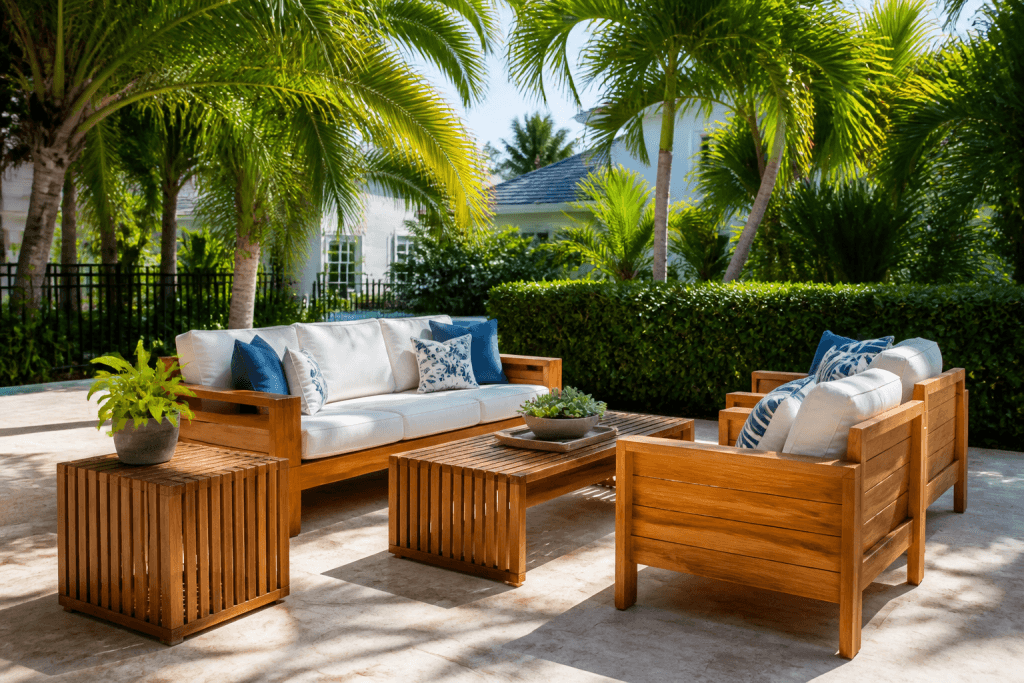
Eco-Wood Longevity Tips: 8 Powerful Secrets for Lasting South Florida Outdoor Beauty
The allure of outdoor living in South Florida is undeniable, with lush landscapes and vibrant sunshine inviting us to create beautiful exterior spaces. Central to this vision is eco-wood, a sustainable choice for furniture, decking, and fences. However, the unique challenges of our tropical climate—intense sun, high humidity, heavy rains, and salt air—demand a proactive approach to preservation. This is where effective Eco-Wood Longevity Tips become not just beneficial, but absolutely essential.
This comprehensive guide will unveil the most powerful strategies to protect your eco-wood investments. We will explore the science behind sustainable timber, detail practical maintenance routines, and highlight the best eco-friendly products to ensure your outdoor pieces remain stunning and structurally sound for years. Discover how to safeguard your eco-wood against the elements, ensuring its beauty endures as a testament to both design and environmental responsibility.
Key Takeaways
- Understand the critical role of Eco-Wood Longevity Tips in preserving sustainable timber and minimizing environmental impact.
- Learn 8 powerful secrets, from proper sealing to strategic placement, to extend the life of your eco-wood outdoor furniture and structures.
- Discover why South Florida’s unique climate necessitates specialized maintenance for eco-wood, differing from other regions.
- Identify the best eco-friendly sealants and natural methods to protect your wood from UV damage, moisture, insects, and fungal growth.
What is Eco-Wood and Why are Eco-Wood Longevity Tips Crucial for Sustainability?
Eco-wood represents a commitment to environmental stewardship, referring to timber that is sustainably sourced, recycled, or reclaimed. This category includes wood from responsibly managed forests, certified by organizations like the Forest Stewardship Council (FSC), as well as innovative materials made from recycled plastics and wood fibers. The choice of eco-wood reflects a desire for beauty that doesn’t compromise the planet.
The importance of its longevity cannot be overstated for sustainability. When eco-wood lasts longer, the demand for new timber decreases, reducing deforestation and conserving natural resources. Investing in proper Eco-Wood Longevity Tips directly translates into a smaller ecological footprint, making your outdoor spaces both beautiful and responsible.
Defining Sustainable Timber
Sustainable timber comes from forests managed in an environmentally appropriate, socially beneficial, and economically viable manner. This ensures that harvesting practices do not deplete forest ecosystems or harm biodiversity. Recycled wood, on the other hand, gives new life to materials that would otherwise end up in landfills, further reducing waste and resource consumption. For instance, choosing FSC-certified wood ensures your timber comes from responsibly managed sources.
The Environmental Impact of Longevity
Extending the life of eco-wood products through diligent care minimizes the need for frequent replacements. This reduces the energy and resources required for manufacturing, transportation, and disposal of new materials. Effective Eco-Wood Longevity Tips are therefore a cornerstone of sustainable living, ensuring your outdoor investments contribute positively to the environment.
Mastering Eco-Wood Longevity Tips: 8 Powerful Secrets
Achieving lasting beauty for your eco-wood in South Florida requires a strategic approach. These 8 powerful secrets provide a comprehensive framework for maximizing the lifespan and aesthetic appeal of your outdoor furniture, decking, and other structures. Implementing these Eco-Wood Longevity Tips will protect your investment against the harsh tropical climate.
Secret 1: Regular Cleaning and Inspection for Eco-Wood Longevity Tips
Routine cleaning is the first line of defense against environmental wear. Dust, pollen, salt residue, and mildew can accumulate quickly in South Florida. Use a soft brush or cloth with a mild, eco-friendly soap and water solution to clean surfaces regularly. Rinse thoroughly to remove all soap residue.
During cleaning, inspect your eco-wood for any signs of damage, such as cracks, splinters, or discoloration. Early detection allows for prompt intervention, preventing minor issues from escalating into costly repairs. This proactive approach is a fundamental aspect of effective Eco-Wood Longevity Tips.
For revitalizing older eco-wood, consider specialized wood cleaners designed for outdoor use. Many brands offer eco-friendly formulations that effectively remove grime and restore the wood’s natural luster without harsh chemicals. Always test products in an inconspicuous area first.
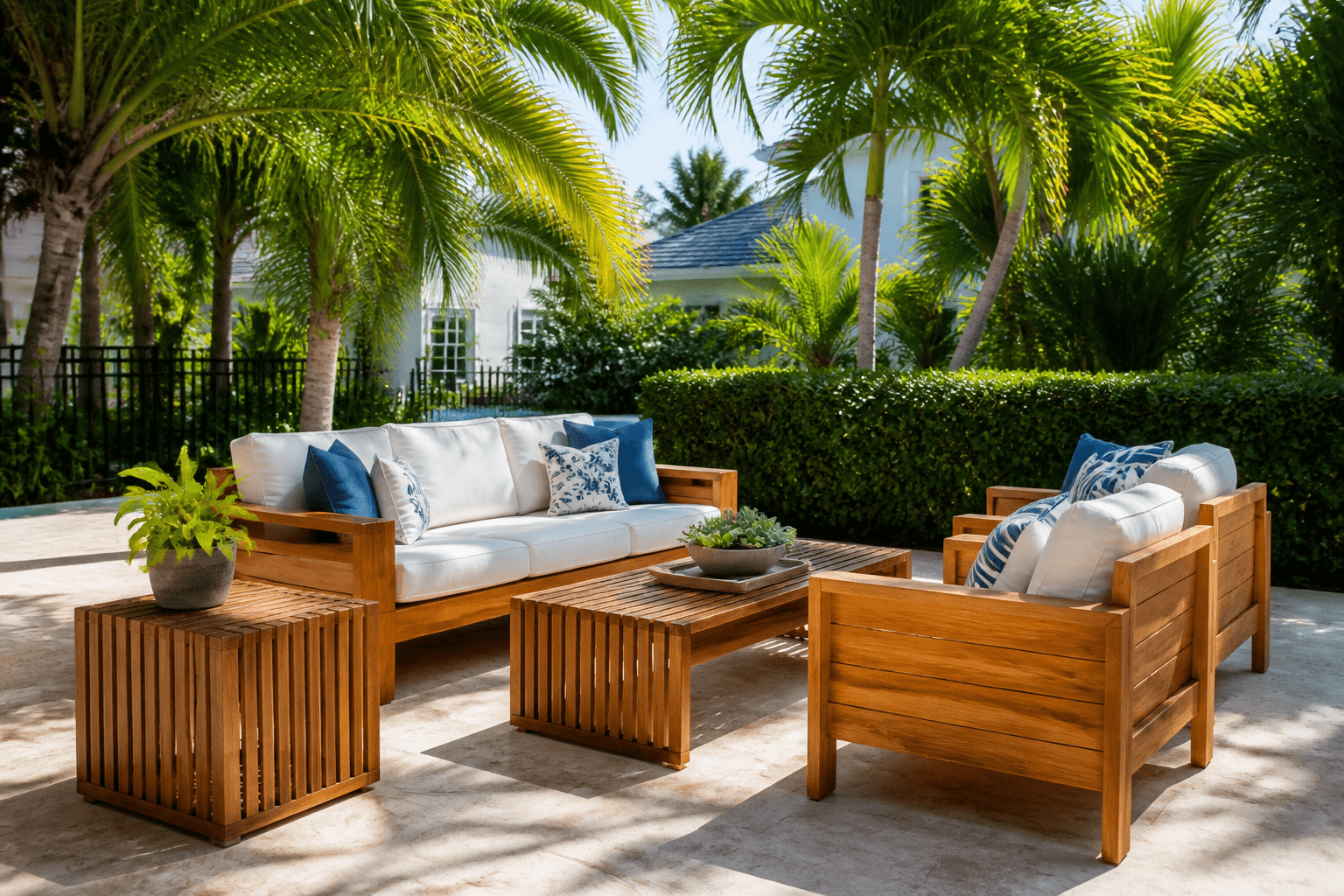
Maintaining the pristine condition of your outdoor furniture and decking is vital. Consistent application of these Eco-Wood Longevity Tips ensures your sustainable wood remains a beautiful and functional part of your home for many years.
Secret 2: Applying the Best Eco-Friendly Sealants
Sealants are crucial for protecting eco-wood from moisture, UV radiation, and fungal growth. In South Florida’s humid climate, water penetration can lead to rot and mildew. Look for water-based, low-VOC (volatile organic compound) sealants or natural oil finishes like linseed, tung, or beeswax-based products. These offer robust protection without introducing harmful chemicals into your environment.
Apply sealants according to the manufacturer’s instructions, typically every 1-2 years for decks and fences, and annually for furniture with high exposure. Proper application ensures a protective barrier that repels water and resists UV degradation. This is one of the most impactful Eco-Wood Longevity Tips you can implement.
You can find a wide range of eco-friendly wood preservatives and treatments online or at specialty hardware stores. Research brands known for their sustainable practices and high-performance products. Always prioritize products that are specifically designed for outdoor use and offer UV protection.
Secret 3: Strategic Placement and Protection
How you position your eco-wood furniture and structures significantly impacts their lifespan. Avoid direct ground contact for furniture legs or deck posts by using risers or concrete footings. This prevents moisture wicking from the soil, which can lead to rot and pest infestation.
During periods of extreme weather, such as heavy rainstorms or intense sun, cover your eco-wood furniture with breathable, waterproof covers. This simple step provides an extra layer of protection against the elements, extending the life of your pieces. These practical Eco-Wood Longevity Tips make a big difference.
Consider the sun exposure of your deck or fence. Areas constantly exposed to direct sunlight will require more frequent sealant application. Shaded areas might be more prone to mildew, necessitating regular cleaning. Balancing these factors is key to effective maintenance.
Secret 4: Preventing Insect Infestations and Fungal Growth
Insects and fungi thrive in warm, moist environments, making South Florida a prime location for these issues. To prevent infestations, ensure proper air circulation around all eco-wood structures. Trim back foliage that touches decks or fences, as this can trap moisture and create shaded, damp conditions.
Natural insect repellents, such as cedar oil or neem oil, can be applied to eco-wood surfaces. For fungal growth, specific eco-friendly fungicides are available that target mildew and mold without harsh chemicals. Regular cleaning also helps remove organic matter that attracts pests and promotes fungal development. These are vital Eco-Wood Longevity Tips for tropical climates.
Maintaining a dry environment is paramount. After heavy rains, ensure that water does not pool on your deck or furniture. Promptly address any leaks from irrigation systems or outdoor plumbing that might keep wood surfaces continuously wet. This vigilance helps prevent the conditions conducive to pests and fungi.
Secret 5: Timely Repairs and Restoration
Even with the best preventative measures, eco-wood can experience wear and tear. Small cracks, splinters, or areas of sun damage should be addressed promptly. Sanding down rough spots and applying a fresh coat of sealant or stain can prevent further deterioration. For deeper damage, wood fillers specifically designed for outdoor use can be effective.
The most effective way to repair sun-damaged or weathered eco-wood often involves a multi-step process. This typically includes thorough cleaning, light sanding to remove the damaged surface layer, and then applying a high-quality, UV-protective stain or sealant. For significant restoration projects, consulting a professional is advisable.
For those seeking professional assistance with outdoor furniture repair and restoration, especially for eco-wood, local experts like Beach & Patio Outdoor Living in Pompano Beach, FL, offer specialized services. Their expertise ensures that your eco-wood receives the precise care it needs to regain its beauty and structural integrity. This is a crucial aspect of long-term Eco-Wood Longevity Tips.
Secret 6: Understanding UV Protection and Stains
The intense South Florida sun is a major culprit in wood degradation. UV rays break down lignin, a natural polymer in wood, leading to graying, cracking, and weakening of the fibers. Choosing an eco-friendly wood stain with excellent UV protection is paramount. Pigmented stains offer superior UV resistance compared to clear sealants, as the pigments block more sunlight.
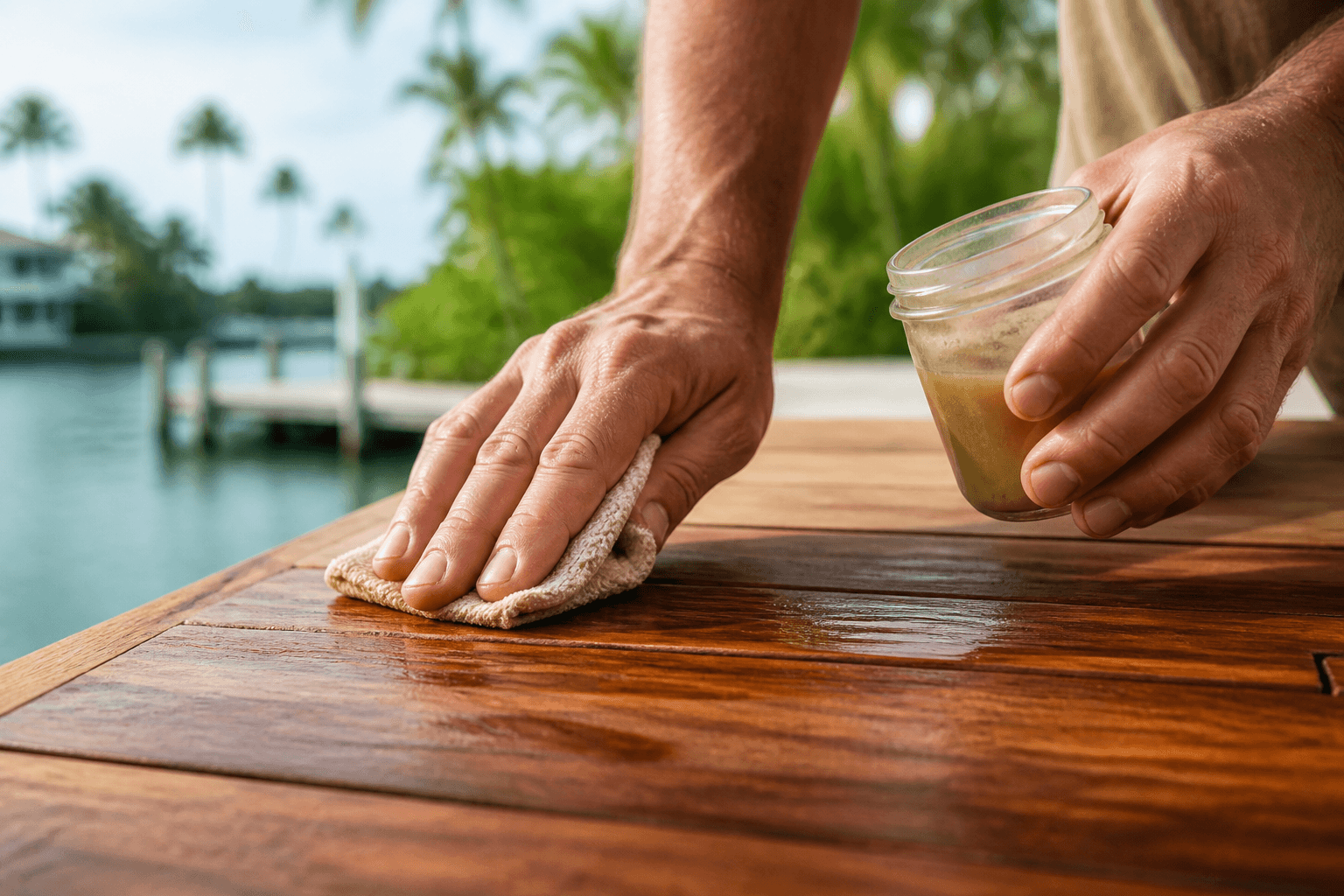
When selecting a stain, look for products that explicitly state “UV protection” or “UV resistant” on the label. Oil-based stains often penetrate deeper into the wood, providing longer-lasting protection and better color retention. Water-based options are also available with advanced UV blockers. Applying these Eco-Wood Longevity Tips ensures your wood maintains its vibrant color and structural integrity.
Secret 7: The Importance of Proper Ventilation
Good air circulation is a simple yet incredibly effective strategy for eco-wood longevity. Trapped moisture is the enemy of wood, fostering mold, mildew, and rot. Ensure that decks are built with adequate spacing between boards to allow for airflow and drainage. For furniture, avoid placing pieces directly against damp walls or in areas where air cannot circulate freely underneath.
If your eco-wood structures are near dense foliage or in naturally shaded areas, consider pruning plants to improve air movement. This helps surfaces dry out more quickly after rain or morning dew, significantly reducing the risk of moisture-related damage. Implementing these ventilation-focused Eco-Wood Longevity Tips is a low-cost, high-impact measure.
Secret 8: Professional Maintenance for Eco-Wood Longevity Tips
While many maintenance tasks can be DIY, professional care offers specialized expertise and equipment. For large decks, complex furniture, or significant restoration projects, a professional service can ensure thorough cleaning, proper sealant application, and expert repairs. They have the knowledge to identify specific issues and apply the most effective treatments for South Florida conditions.
Companies specializing in outdoor furniture and wood care, such as Beach & Patio Outdoor Living, understand the nuances of eco-wood in our climate. They can provide tailored maintenance plans that ensure your eco-wood remains in top condition, saving you time and effort in the long run. Professional Eco-Wood Longevity Tips often include advanced techniques and products not readily available to the average homeowner.
Ready to Master Eco-Wood Longevity Tips for Your Outdoor Space?
Beach & Patio Outdoor Living specializes in durable, custom-crafted outdoor furniture and expert repair services designed to thrive in the South Florida climate. Trust our experience to keep your eco-wood beautiful for years.
Why Eco-Wood Longevity Tips Demand Special Maintenance in South Florida
South Florida’s climate presents a unique set of challenges for outdoor wood. Unlike drier, more temperate regions, our environment combines intense UV radiation, high humidity, frequent heavy rainfall, and the corrosive effects of salt air near coastal areas. These factors accelerate the degradation of wood, making diligent and specialized maintenance, including specific Eco-Wood Longevity Tips, absolutely critical for any eco-wood investment.
Without proper care, even the most durable eco-wood species can quickly succumb to rot, mildew, insect damage, and sun-induced fading. This is why eco-wood requires special maintenance compared to other materials, as its organic nature makes it susceptible to biological and environmental stressors that synthetic materials might resist.
The Unique South Florida Climate Challenge
The relentless sun in South Florida causes rapid fading and structural damage to wood fibers. High humidity creates an ideal breeding ground for mold, mildew, and fungi, which can quickly discolor and weaken wood. Frequent torrential rains saturate wood, and if not properly sealed and dried, lead to swelling, cracking, and rot. Salt air, prevalent along our coasts, can also accelerate corrosion of fasteners and degrade wood finishes.
These combined elements mean that a generic approach to wood care simply won’t suffice. Effective Eco-Wood Longevity Tips for this region must specifically address these aggressive environmental factors, employing robust sealants, anti-fungal treatments, and consistent protective measures.
Comparing Eco-Wood to Other Materials
While materials like aluminum or synthetic wicker offer different maintenance profiles, eco-wood provides a natural aesthetic and sustainable choice that many homeowners prefer. However, unlike these non-organic alternatives, wood requires active protection against biological threats and moisture. The beauty of eco-wood lies in its natural character, but this also means it needs more attentive care to maintain its integrity.
Investing in comprehensive Eco-Wood Longevity Tips ensures that you can enjoy the natural beauty and environmental benefits of sustainable timber without compromising on durability. It’s about understanding and respecting the material’s needs in its specific environment.
Investing in Eco-Wood Longevity Tips: Long-Term Benefits
The decision to invest time and resources into proper Eco-Wood Longevity Tips yields significant long-term benefits that extend beyond mere aesthetics. This commitment contributes to financial savings, environmental preservation, and enhanced property value, making it a wise choice for any homeowner in South Florida.
Reduced Costs and Resource Conservation
By extending the lifespan of your eco-wood furniture, decking, and fences, you drastically reduce the need for premature replacements. This translates directly into substantial cost savings over time, as purchasing new materials and labor for installation can be expensive. Furthermore, by preserving existing wood, you contribute to the conservation of natural resources, reducing demand for new timber harvesting.
The long-term benefits of investing in Eco-Wood Longevity Tips are clear: less waste, lower expenses, and a more sustainable lifestyle. It’s an investment that pays dividends for both your wallet and the planet.
Enhanced Aesthetic Appeal and Property Value
Well-maintained eco-wood retains its natural beauty, rich color, and structural integrity, significantly enhancing the aesthetic appeal of your outdoor spaces. This visual appeal contributes to a more inviting and luxurious environment, which can increase your property’s overall value. Potential buyers are often drawn to homes with well-preserved, sustainable features.
A beautiful, durable eco-wood deck or patio furniture set speaks volumes about the care and quality of a home. These Eco-Wood Longevity Tips ensure that your outdoor elements remain a source of pride and enjoyment, rather than a maintenance burden.
Sourcing Durable Eco-Wood for Your Projects
When embarking on a new outdoor project, selecting the right eco-wood is as crucial as its ongoing maintenance. The initial choice of timber significantly influences its inherent resistance to South Florida’s climate and, consequently, the effectiveness of your Eco-Wood Longevity Tips. Knowing where to find durable and sustainable wood for your next construction project is key to a lasting investment.
Identifying Resilient Eco-Wood Species
Certain eco-wood species are naturally more durable and resistant to rot, insects, and moisture, making them ideal for outdoor use in challenging climates. Teak, Ipe, and recycled plastic lumber (which often contains wood fibers) are excellent choices. Teak, for instance, is renowned for its high oil content, which provides natural water resistance and deters pests. Ipe is incredibly dense and hard, offering exceptional resistance to decay and insects.
When considering specific eco-wood species known for exceptional durability and longevity, always verify their sustainability certifications. Look for FSC-certified wood to ensure it comes from responsibly managed forests. For more insights on environmentally preferred options, refer to EPA’s greener wood products guide. These choices lay a strong foundation for successful Eco-Wood Longevity Tips.
Reputable Suppliers for Eco-Wood Longevity Tips
Finding reputable suppliers is paramount. Seek out lumberyards and outdoor furniture retailers that specialize in sustainable and high-quality eco-wood. They can provide detailed information on the wood’s origin, treatment, and recommended maintenance. Online, look for suppliers with strong environmental policies and positive customer reviews regarding the durability of their products.
For local projects in South Florida, connecting with suppliers who understand the regional climate can be invaluable. They can guide you towards the best eco-wood options and provide expert advice on initial treatment and ongoing Eco-Wood Longevity Tips tailored to your specific needs.
Conclusion: Your Guide to Lasting Eco-Wood Beauty
Embracing eco-wood for your outdoor spaces is a choice that combines aesthetic appeal with environmental responsibility. However, to truly maximize this investment, a dedicated approach to maintenance is indispensable, especially in the demanding South Florida climate. The Eco-Wood Longevity Tips outlined in this guide provide a powerful framework for ensuring your sustainable timber remains beautiful and structurally sound for decades.
From consistent cleaning and strategic sealing to proactive pest prevention and timely repairs, each tip plays a vital role in protecting your eco-wood from the elements. By understanding the unique challenges of our tropical environment and applying these proven strategies, you can enjoy the enduring beauty of your outdoor furniture and structures. Invest in these Eco-Wood Longevity Tips today, and watch your sustainable outdoor oasis thrive.
What is eco-wood and why is its longevity important for sustainability?
Eco-wood refers to sustainably sourced, recycled, or reclaimed timber. Its longevity reduces the need for frequent replacement, conserving resources and minimizing environmental impact.
How can I extend the life of my eco-wood outdoor furniture?
Regular cleaning, applying protective sealants, covering during harsh weather, and keeping it off direct ground contact are key. Timely repairs also prevent minor issues from escalating.
What are the best eco-friendly sealants to protect wood from weather damage?
Look for water-based, low-VOC (volatile organic compound) sealants and natural oil finishes like linseed, tung, or beeswax-based products. These offer protection without harsh chemicals.
How often should eco-wood decks and fences be treated for maximum lifespan?
In South Florida’s climate, eco-wood decks and fences typically benefit from treatment every 1-2 years. Annual inspection helps determine the exact timing based on exposure and wear.
Who provides professional eco-wood maintenance and restoration services near me?
Companies like Beach & Patio Outdoor Living in Pompano Beach, FL, specialize in outdoor furniture repair and restoration, including services tailored for eco-wood, ensuring professional care.
How do you prevent insect infestations and fungal growth in eco-friendly timber?
Ensure proper ventilation, keep wood dry, and apply natural insect repellents like cedar oil or specific eco-friendly fungicides. Regular cleaning helps remove organic matter that attracts pests.
What are the long-term benefits of investing in eco-wood longevity treatments?
Long-term benefits include reduced replacement costs, preservation of natural resources, enhanced aesthetic appeal, increased property value, and less environmental waste.