
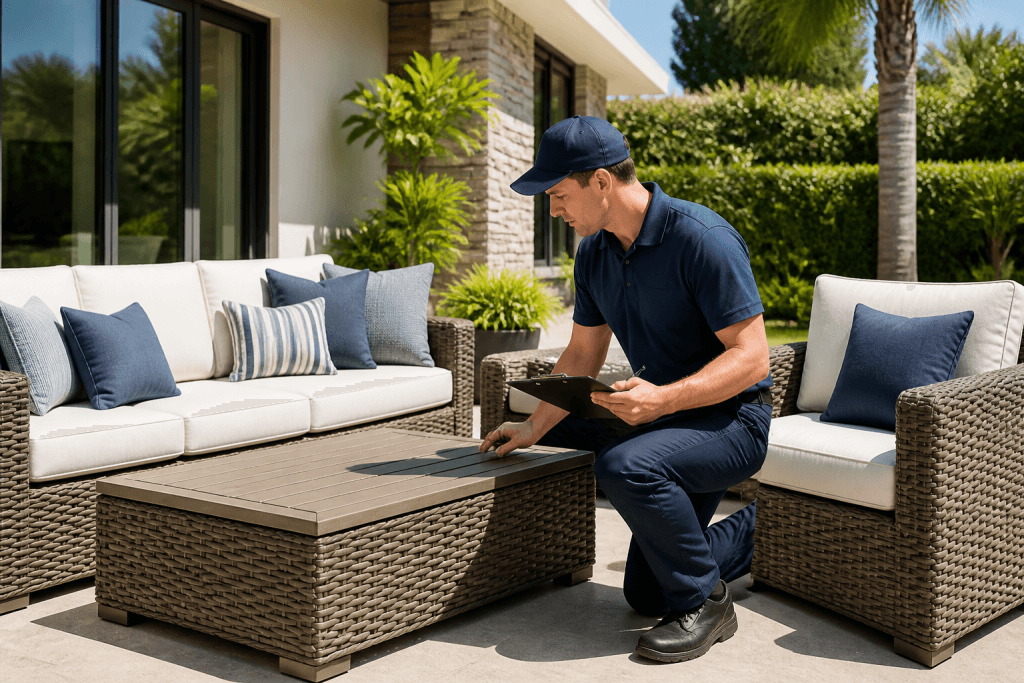
Outdoor Furniture Assessment: 5 Essential Steps for Amazing Longevity
A thorough Outdoor Furniture Assessment is the cornerstone of preserving your patio investments and ensuring they remain beautiful and functional for years to come. Your outdoor living space is an extension of your home, a place for relaxation and entertainment. Yet, the elements can be unforgiving, silently eroding the quality and appearance of your cherished patio pieces. Proactive evaluation is not just about repair; it’s about intelligent preservation.
In this comprehensive guide, we will explore the critical steps involved in a professional Outdoor Furniture Assessment. We’ll demystify how to identify early signs of wear, detail what you can expect during a detailed inspection, and explain why the expert eye of a specialist is key to extending the life and beauty of your outdoor furniture. Consider this your essential blueprint to a more durable, stunning, and enduring outdoor oasis.
Key Takeaways
- Understand how a systematic Outdoor Furniture Assessment can prevent minor issues from escalating into costly repairs.
- Learn the crucial steps for inspecting frames, fabrics, and hardware to ensure structural integrity and aesthetic appeal.
- Discover why regular, detailed evaluations are essential for all types of outdoor furniture, from wicker to metal.
- Evaluate when to perform a DIY check versus when to invest in a professional Outdoor Furniture Assessment for optimal results.
- Unlock the secrets to significantly extending the lifespan of your patio furniture through timely maintenance and expert care.
What is an Outdoor Furniture Assessment and Why It Matters?
An Outdoor Furniture Assessment is a meticulous, systematic inspection of your patio furniture designed to evaluate its current condition, identify any existing wear or damage, and pinpoint potential issues before they escalate. This comprehensive process goes beyond a quick glance, delving into the structural integrity, material condition, and overall functionality of each piece. It encompasses everything from the frame and hardware to the fabrics, slings, and cushions, ensuring every component is scrutinized for optimal performance and safety.
Why is an Outdoor Furniture Assessment so important? The answer lies in prevention and longevity. Outdoor furniture, by its very nature, is exposed to harsh environmental factors: relentless sun, heavy rain, humidity, and temperature fluctuations. Without regular checks, these elements can cause significant deterioration, leading to costly repairs or even premature replacement. A proactive assessment helps you catch minor problems early, allowing for timely intervention that significantly extends the lifespan of your investment.
Beyond extending life, a thorough Outdoor Furniture Assessment maintains the aesthetic appeal of your outdoor space. Faded fabrics, rusty frames, or wobbly chairs detract from the beauty and comfort of your patio. By addressing these issues, you preserve the visual harmony and inviting atmosphere you’ve worked hard to create. Moreover, it ensures the safety of your family and guests, preventing accidents that could arise from compromised structural integrity.
Ultimately, an effective Outdoor Furniture Assessment is about protecting your investment. High-quality patio furniture represents a significant financial commitment. Regular assessments safeguard that investment, ensuring you continue to enjoy your outdoor living space to its fullest potential for many years to come.
Step 1: Establishing a Regular Outdoor Furniture Assessment Schedule
The first crucial step in effective outdoor furniture care is to establish a consistent schedule for your Outdoor Furniture Assessment. Just like any valuable asset, your patio furniture benefits immensely from routine checks. This proactive approach allows you to monitor its condition over time and respond promptly to any changes, preventing small issues from becoming major problems.
How often should you conduct an Outdoor Furniture Assessment? For most homeowners, a basic assessment at least twice a year is highly recommended. Ideally, perform one at the beginning of the peak outdoor season (e.g., spring) to prepare your furniture for heavy use, and another at the end of the season (e.g., fall) before storing or winterizing. This dual approach ensures your furniture is ready for enjoyment and properly prepared for dormancy.
For older furniture, pieces in high-traffic commercial settings, or those exposed to particularly harsh climates like coastal areas, more frequent or professional assessments may be beneficial. Different types of outdoor furniture require regular assessment, including:
- Metal Furniture (Aluminum, Wrought Iron, Steel): Prone to rust, corrosion, and structural fatigue.
- Wicker and Rattan Furniture: Susceptible to unraveling, cracking, and sun damage.
- Wood Furniture (Teak, Cedar, Eucalyptus): Can suffer from rot, cracking, fading, and insect damage.
- Sling and Upholstered Furniture: Fabrics can fade, tear, develop mildew, and lose tension.
By integrating this regular check into your seasonal maintenance routine, you create a foundation for long-term furniture health. This systematic approach to Outdoor Furniture Assessment is key to extending its lifespan and maintaining its beauty.
Step 2: Detailed Component Examination in Your Outdoor Furniture Assessment
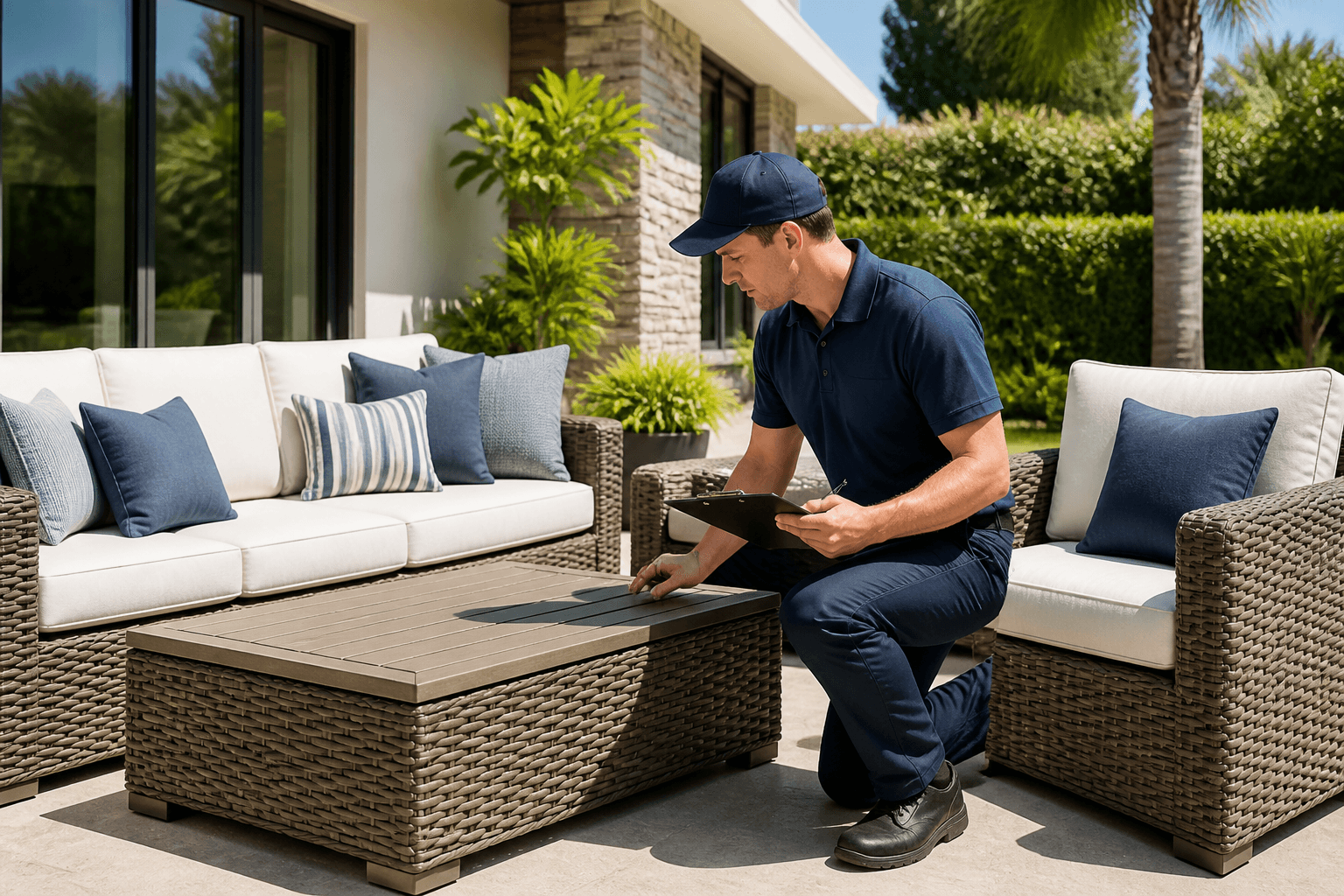
Once you have a schedule in place, the next step in your Outdoor Furniture Assessment is to perform a detailed component examination. This involves meticulously inspecting each part of your furniture, looking for specific indicators of wear, damage, or potential failure. This thoroughness is what differentiates a casual glance from a true assessment.
What criteria are used in an Outdoor Furniture Assessment? The inspection should cover several key areas:
- Structural Integrity: Check all frames for stability. Wiggle joints to detect looseness. Look for cracks, bends, or warping in metal, wood, or plastic components. Ensure all legs are level and the piece sits firmly.
- Hardware Functionality: Examine all nuts, bolts, screws, and fasteners. Are they tight? Are any missing or rusted? For reclining chairs or umbrellas, test the mechanisms to ensure they operate smoothly and securely.
- Fabric and Sling Condition: Inspect cushions, slings, and upholstery for fading, tears, fraying, or holes. Check seams for signs of stress or unraveling. Look for mildew, mold, or stubborn stains that indicate moisture retention.
- Finish and Coating: Assess the paint, powder coating, or sealant. Look for peeling, chipping, bubbling, or significant discoloration. These can be signs of material exposure and potential underlying damage.
- Wood Specifics: For wooden furniture, check for splintering, rot, insect holes, or excessive dryness. Ensure protective oils or sealants are still effective.
- Wicker/Rattan Specifics: Look for broken strands, unraveling, or brittleness, especially at stress points.
How do you assess the condition of your patio furniture at home? Begin by cleaning each piece thoroughly. This removes dirt and grime that can hide underlying issues. Then, systematically work your way around each item, touching, wiggling, and visually inspecting every part. Pay close attention to areas that experience high stress or direct exposure to the elements. This detailed Outdoor Furniture Assessment helps you build a comprehensive understanding of your furniture’s health.
Step 3: Identifying Wear and Damage During Your Outdoor Furniture Assessment
During your comprehensive Outdoor Furniture Assessment, it’s crucial to know what specific signs of wear and damage to look for. Early detection is paramount for effective repair and restoration, preventing minor issues from becoming irreversible. Understanding these common indicators allows you to take prompt action.
What are common signs of damage found during an Outdoor Furniture Assessment? Here’s a detailed list:
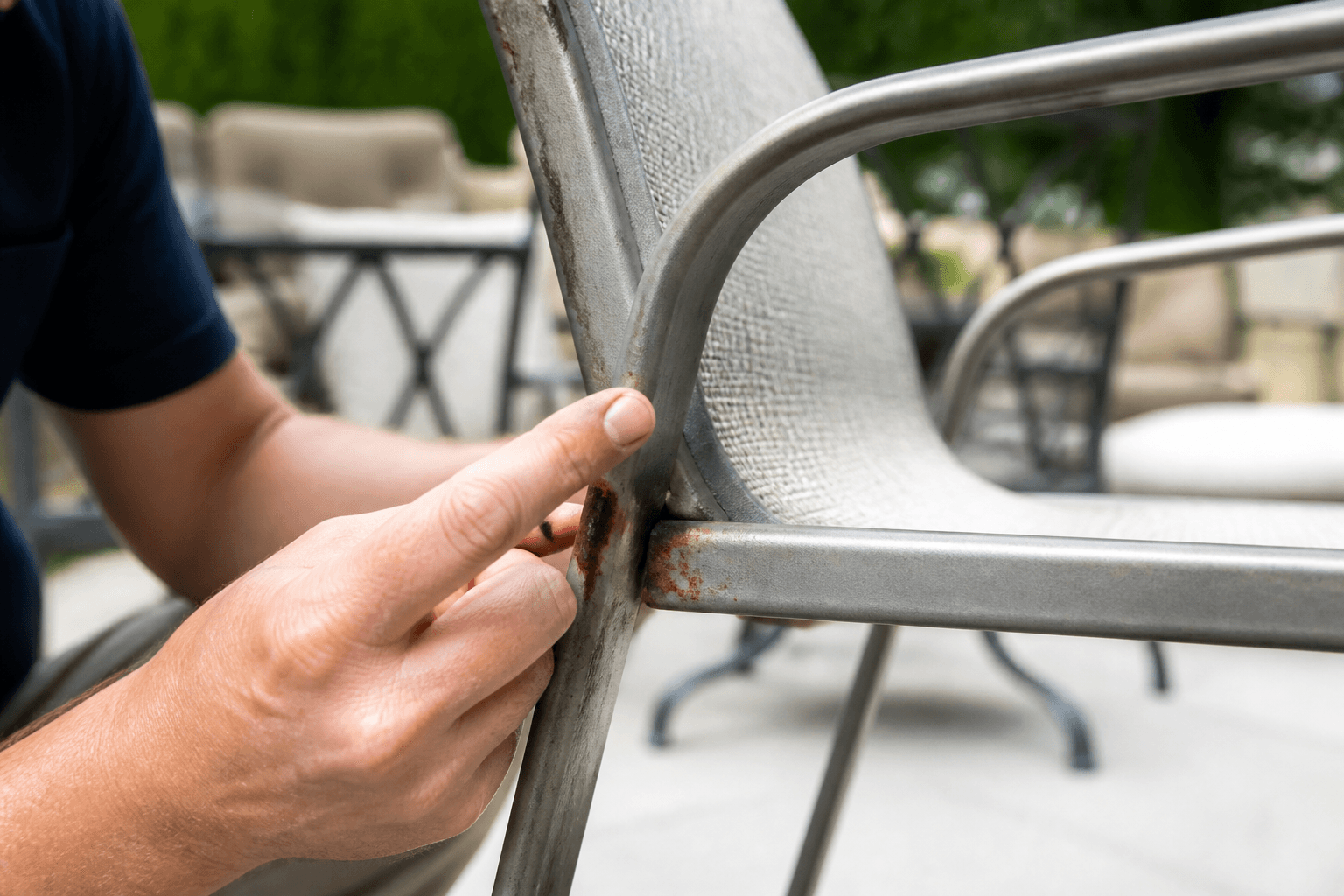
- Rust and Corrosion: Particularly on metal frames (wrought iron, steel). Look for reddish-brown discoloration, flaking paint, or pitting. Even aluminum can show signs of oxidation, appearing as a white, chalky residue.
- Faded or Torn Fabrics: Sun exposure causes colors to dull and fabrics to weaken. Check for thin spots, tears, or significant discoloration on cushions, slings, and umbrellas.
- Cracked or Peeling Finishes: Paint, powder coating, or varnish can crack, chip, or peel due to UV exposure and moisture. This exposes the underlying material to further damage.
- Loose or Missing Hardware: Wobbly joints, missing screws, or detached bolts compromise structural integrity and safety. Always check connections, especially on chairs and tables.
- Wobbly Joints: A clear sign of structural weakness. This can be due to loose hardware, fatigued material, or compromised welds.
- Mildew and Mold Growth: Appears as black, green, or white fuzzy patches, especially in damp, shaded areas. It can degrade fabrics and wood, and pose health risks.
- Wood Rot or Splintering: Soft, spongy areas on wooden furniture indicate rot. Cracks and splinters can also be signs of dryness or structural stress.
- Unraveling Wicker/Rattan: Individual strands of wicker or rattan can break or come loose, especially at corners or edges, leading to further unraveling.
Documenting these findings is a vital part of your Outdoor Furniture Assessment. Take photos, make notes, and prioritize repairs based on severity. This systematic approach ensures you address all issues efficiently and effectively.
Ready for Your Outdoor Furniture Assessment with Beach & Patio Outdoor Living?
Ensure the longevity and beauty of your patio investments with our expert assessment services, tailored to withstand South Florida’s unique climate.
Step 4: Preventative Measures and Timely Repairs After an Outdoor Furniture Assessment
A thorough Outdoor Furniture Assessment is only truly valuable if it leads to action. Once you’ve identified areas of concern, the next critical step is to implement preventative measures and perform timely repairs. This proactive approach is the most effective way to extend the lifespan of your outdoor furniture and protect your investment.
How can an Outdoor Furniture Assessment extend its lifespan? By identifying issues early, you can address them before they worsen. For example, a small patch of rust can be sanded and repainted, preventing it from spreading and compromising the entire frame. A loose bolt can be tightened, averting a wobbly joint from becoming a structural failure. This immediate response to identified problems is key.
Implementing Preventative Care Based on Your Outdoor Furniture Assessment
Preventative measures are your first line of defense. Based on your Outdoor Furniture Assessment, consider:
- Protective Covers: Use high-quality covers during inclement weather or off-season to shield furniture from UV rays, rain, and debris.
- Regular Cleaning: Frequent cleaning with appropriate solutions for each material prevents dirt buildup, mildew, and corrosion.
- Applying Sealants/Oils: Reapply protective sealants to wood, or wax to metal, as recommended by manufacturers to enhance water resistance and UV protection.
- Storing Cushions: Bring cushions indoors when not in use to prevent fading, mildew, and animal damage.
- Relocating Furniture: Periodically move furniture to vary sun exposure and reduce localized wear.
- Securing Hardware: Regularly tighten all nuts and bolts to maintain structural integrity.
Timely Repairs for Optimal Outdoor Furniture Assessment Outcomes
Addressing repairs promptly is equally important. Don’t delay fixing:
- Rust Spots: Sand, prime, and repaint affected areas immediately.
- Fabric Tears: Small tears in slings or cushions can often be patched or sewn before they enlarge.
- Loose Wicker Strands: Re-weave or secure loose strands with appropriate adhesive.
- Wobbly Joints: Tighten hardware or, if necessary, re-weld or reinforce compromised joints.
- Faded Finishes: Sand and refinish surfaces to restore protection and appearance.
For complex repairs, or if you’re unsure about the best approach, consider seeking professional help. A specialist in Outdoor Furniture Assessment and repair can provide expert solutions that ensure the longevity and safety of your pieces.
Step 5: When to Seek Professional Outdoor Furniture Assessment
While DIY checks are valuable, there comes a point when a professional Outdoor Furniture Assessment becomes indispensable. Certain issues require specialized knowledge, tools, and techniques that only experienced technicians possess. Knowing when to call in the experts can save you time, money, and ensure your furniture receives the highest level of care.
Who Performs Professional Outdoor Furniture Assessments?
Professional Outdoor Furniture Assessment services are typically performed by specialized outdoor furniture repair and restoration companies. These experts, like Beach & Patio Outdoor Living, have extensive experience with various materials and construction methods. They possess the knowledge to identify specific material weaknesses, assess structural integrity, and recommend appropriate, long-lasting solutions.
Should you hire a professional for an Outdoor Furniture Assessment? Absolutely, especially for:
- Significant Structural Damage: Deep cracks, severe bending, or compromised welds that affect safety.
- Extensive Rust or Corrosion: When rust has spread significantly or weakened the frame beyond simple surface treatment.
- Complex Fabric Issues: Large tears in slings, extensive mildew, or the need for custom upholstery replacement.
- Valuable or Antique Pieces: To ensure delicate items are handled with the utmost care and expertise.
- Time Constraints: If you lack the time or expertise to perform a thorough DIY assessment and repairs.
What’s Included in a Comprehensive Outdoor Furniture Assessment Report?
A professional Outdoor Furniture Assessment typically includes a detailed report outlining the condition of each piece. This report will:
- Identify all visible and hidden damages.
- Assess structural integrity and safety concerns.
- Provide specific recommendations for repair or restoration.
- Offer an estimated cost for recommended services.
- Suggest preventative maintenance tips tailored to your furniture type and local climate.
Can you get a quote for outdoor furniture repair after an assessment? Yes, a key benefit of a professional Outdoor Furniture Assessment is receiving a clear, itemized quote for all necessary repairs. This allows you to make informed decisions about your investment. While the cost of a professional Outdoor Furniture Assessment can vary, it is often a small price to pay for the peace of mind and extended life it provides for your valuable patio pieces.
Your Ultimate Guide to Outdoor Furniture Longevity
Your outdoor living space is a cherished retreat, and its furniture deserves the best care to ensure it remains a source of joy for years. A systematic Outdoor Furniture Assessment is not merely a task; it is an investment in the longevity, beauty, and safety of your patio.
By diligently following the essential steps outlined in this guide—establishing a regular schedule, performing detailed examinations, identifying wear, implementing preventative measures, and knowing when to seek professional help—you empower yourself to protect your outdoor investments.
The benefits of a thorough Outdoor Furniture Assessment are undeniable: extended lifespan, maintained aesthetic appeal, enhanced safety, and ultimately, greater enjoyment of your outdoor oasis. Don’t let the elements diminish the quality of your patio furniture. Embrace proactive care, and watch your outdoor space thrive.
If you’re in Pompano Beach, FL, or the surrounding areas and seek expert assistance with your Outdoor Furniture Assessment or require professional repair and restoration services, Beach & Patio Outdoor Living is here to help. Our team specializes in comprehensive evaluations and tailored solutions to keep your patio furniture in pristine condition. Visit our website to learn more about our outdoor furniture repair and restoration services.
Frequently Asked Questions About Outdoor Furniture Assessment
What is an outdoor furniture assessment?
An outdoor furniture assessment is a thorough inspection of your patio furniture to evaluate its condition, identify wear, damage, or potential issues. This process covers frames, slings, cushions, hardware, and finishes, ensuring optimal performance and safety.
Why is an outdoor furniture assessment important?
Regular outdoor furniture assessment is crucial for preventing minor issues from becoming costly repairs. It helps extend the lifespan of your investment, maintains aesthetic appeal, and ensures the safety and comfort of your outdoor living space.
How often should I conduct an outdoor furniture assessment?
It’s recommended to conduct a basic outdoor furniture assessment at least twice a year, ideally at the beginning and end of peak outdoor seasons. For older furniture or commercial settings, more frequent professional assessments may be beneficial.
Who performs professional outdoor furniture assessments?
Professional outdoor furniture assessments are typically performed by specialized outdoor furniture repair and restoration companies, like Beach & Patio Outdoor Living. These experts possess the knowledge to identify specific material weaknesses and recommend appropriate solutions.
What criteria are used in an outdoor furniture assessment?
An outdoor furniture assessment considers several criteria, including structural integrity, material condition (rust, rot, fading), hardware functionality, fabric wear on slings and cushions, and the overall cleanliness and stability of each piece.
How do I assess the condition of my patio furniture at home?
To assess your patio furniture at home, visually inspect all surfaces for cracks, rust, or discoloration. Check for loose hardware, tears in slings or cushions, and ensure the frame remains stable. Look for signs of insect damage or mildew.
What are common signs of damage found during an outdoor furniture assessment?
Common signs of damage include rust on metal frames, faded or torn fabrics, cracked or peeling finishes, loose or missing hardware, wobbly joints, and mildew growth. Early detection is key to effective repair and restoration.
How can an outdoor furniture assessment extend its lifespan?
An effective outdoor furniture assessment identifies issues early, allowing for timely repairs and preventative maintenance. Addressing problems like rust or fabric wear promptly prevents further deterioration, significantly extending the functional and aesthetic life of your furniture.
Should I hire a professional for an outdoor furniture assessment?
While DIY checks are useful, hiring a professional for an outdoor furniture assessment provides expert insight into hidden damages and structural integrity. Professionals can offer tailored repair solutions and maintenance advice that ensures long-term durability, especially for valuable pieces.
Learn more from authoritative resources: Consumer Reports and HGTV.