
The reflection you see should be a source of confidence, not a reminder of time’s subtle touch. Yet, the search for facial rejuvenation often leads to a common concern: how to restore youthful volume without sacrificing the natural character of your features. For those in Coral Springs seeking a truly restorative solution that looks beautifully and authentically their own, Radiesse presents a sophisticated answer. This unique dermal filler offers a remarkable, dual-action approach that provides both immediate lift and long-term revitalization.
In this comprehensive guide, we will explore the science that sets this treatment apart. We’ll demystify how it differs from other popular fillers, detail what you can expect during your visit, and explain why the expert touch of a skilled injector is the key to achieving the defined jawline and smooth, refreshed appearance you desire. Consider this your personal invitation to discover a more radiant, revitalized you, built on a foundation of your own natural collagen.
Key Takeaways
- Understand how this unique filler provides an immediate lift while also stimulating your body’s own natural collagen for lasting results.
- Learn the crucial difference between fillers that simply add volume and those that rebuild your skin’s underlying structure for a more authentic rejuvenation.
- Discover why the injector’s artistic skill is just as important as the product itself for achieving refined, natural-looking contours with Radiesse.
- Evaluate if this treatment is the right investment for you by exploring its impressive longevity and how it delivers a sustained, youthful appearance.
Outdoor Furniture Paint: 4 Powerful Tips for a Flawless Finish
Outdoor Furniture Paint is the ultimate solution for revitalizing your patio and garden pieces, transforming them from weathered to wonderful. Achieving a flawless, long-lasting finish on your outdoor furniture requires more than just a brush and a can of paint; it demands careful planning, the right materials, and precise application. This comprehensive guide will walk you through four powerful tips to ensure your outdoor furniture paint project yields stunning, durable results that stand up to the elements.
From selecting the perfect product to mastering the art of application, we’ll cover every crucial step. You’ll gain the knowledge to protect your investment and enhance the aesthetic appeal of your outdoor living spaces. Let’s dive into the secrets of achieving a professional-grade finish with your chosen outdoor furniture paint.
Key Takeaways for Outdoor Furniture Paint Success
- Always prioritize proper surface preparation, including thorough cleaning and sanding, to ensure optimal adhesion for your outdoor furniture paint.
- Select the correct type of outdoor furniture paint for your specific material (wood, metal, plastic) to guarantee durability and weather resistance.
- Master application techniques, whether brushing or spraying, to achieve an even, smooth, and chip-resistant finish with your outdoor furniture paint.
- Understand the factors influencing the longevity of your outdoor furniture paint and implement maintenance strategies to extend its beautiful appearance.
Choosing the Right Outdoor Furniture Paint: 4 Powerful Tips for Durability
Selecting the appropriate outdoor furniture paint is the foundational step for any successful refinishing project. The market offers a vast array of options, each designed for specific materials and environmental conditions. Making an informed choice ensures your furniture not only looks great but also withstands sun, rain, and humidity for years to come. This section will guide you through the best types and brands, as well as cost considerations for quality outdoor furniture paint.
What is the best type of Outdoor Furniture Paint?
For most outdoor furniture paint projects, acrylic latex exterior paints are generally the best choice. They offer excellent flexibility, adhesion, and resistance to fading, cracking, and mildew, which are crucial for outdoor exposure. These paints are water-based, making cleanup easier and drying times faster.
When choosing outdoor furniture paint, always look for products specifically labeled for “exterior use” or “outdoor furniture.” For metal pieces, consider alkyd enamel or specialized rust-inhibiting paints, as these provide superior protection against corrosion. The most chip-resistant outdoor furniture paint often contains advanced polymers designed for high durability.
Another excellent option for certain projects is oil-based exterior paint, known for its hard, durable finish. However, it requires mineral spirits for cleanup and has longer drying times. Ultimately, the best type of outdoor furniture paint depends on the material you are painting and the level of exposure it will face.
Top Brands for Durable Outdoor Furniture Paint
Several reputable brands consistently offer high-quality, durable outdoor furniture paint. These manufacturers invest in research and development to create formulas that provide excellent UV and weather resistance, crucial for longevity. When you’re looking for weather-resistant paint for outdoor use, these brands are a great starting point.
Look for options from Behr, Sherwin-Williams, Rust-Oleum, Krylon, and Valspar. Many of these brands have specific product lines designed for exterior use that boast excellent UV and weather resistance. You can often find these quality outdoor furniture paint products at local hardware stores or home improvement centers, making it easy to buy outdoor furniture paint locally.
These brands also frequently offer specialized primers and topcoats that work synergistically to provide the most chip-resistant outdoor furniture paint finish possible. Always check reviews and product specifications to ensure the chosen outdoor furniture paint meets your project’s demands.
Understanding Outdoor Furniture Paint Costs
The cost of outdoor furniture paint can vary significantly based on brand, type, and quality. Generally, you can expect a gallon of high-quality exterior paint to range from $30 to $70, or even more for premium, specialized formulas. While it might be tempting to opt for the cheapest option, remember that investing in better outdoor furniture paint often translates to superior durability and a longer-lasting finish.
Consider the long-term value: a more expensive, high-performance outdoor furniture paint might save you time and money on repainting in the future. Factor in the cost of primers, brushes, rollers, and other supplies when budgeting for your project. Sometimes, a slightly higher initial investment in quality outdoor furniture paint can prevent peeling and fading down the line.
Essential Preparation for Flawless Outdoor Furniture Paint Application
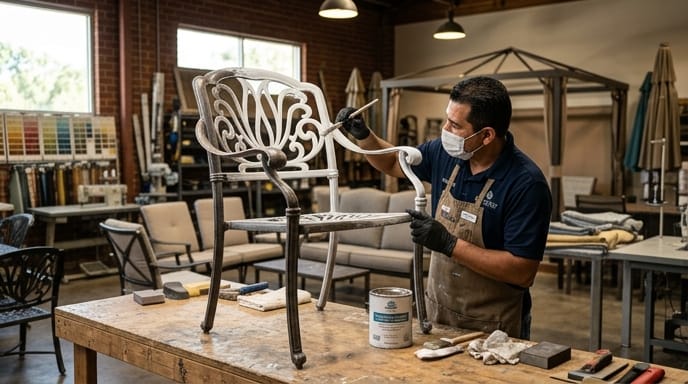
Proper preparation is arguably the most critical step in any outdoor furniture paint project. Skipping or rushing this phase can lead to poor adhesion, peeling, and a less-than-flawless finish, regardless of the quality of your outdoor furniture paint. A well-prepared surface ensures maximum durability and a professional appearance. This section details how to properly clean and prepare your furniture for painting.
How to Properly Clean Outdoor Furniture Before Painting
Thorough cleaning is the first and most vital step to prepare outdoor furniture for painting. Start by removing all loose dirt, dust, cobwebs, and debris. Use a stiff brush or a vacuum cleaner for this initial pass. Next, wash the furniture with a mild detergent mixed with water. For stubborn grime or mildew, a solution of one part bleach to three parts water can be effective, but always test on an inconspicuous area first.
Scrub the entire surface, paying close attention to crevices and joints where dirt can accumulate. Rinse the furniture completely with a hose, ensuring no soap residue remains. Allow the furniture to dry thoroughly, ideally for 24-48 hours, before proceeding. Any trapped moisture beneath the outdoor furniture paint can lead to peeling later on.
This meticulous cleaning process ensures that your outdoor furniture paint has a clean, stable surface to adhere to, preventing common issues like bubbling or flaking. It’s a small investment of time that pays off significantly in the longevity and appearance of your outdoor furniture paint finish.
Do I Need to Sand Outdoor Furniture Before Painting?
Yes, sanding is almost always necessary for outdoor furniture paint. Lightly sanding dulls the existing finish, creates tiny abrasions (a “tooth”), and helps the new outdoor furniture paint adhere better. For heavily weathered or peeling paint, more extensive sanding to remove loose material is required. This step ensures a smooth, uniform surface for your new coat of outdoor furniture paint.
For wood furniture, start with a medium-grit sandpaper (around 100-120 grit) to remove old finishes or rough spots, then follow with a finer grit (180-220) for a smooth finish. For metal, use a wire brush or sandpaper to remove rust, then smooth with finer grit. Always clean off sanding dust thoroughly with a tack cloth or damp rag before priming or applying outdoor furniture paint.
Even if your furniture appears to be in good condition, a light scuff-sanding will significantly improve the adhesion of the new outdoor furniture paint. This prevents the paint from chipping or peeling prematurely, especially in harsh outdoor conditions.
Mastering Application Techniques for Your Outdoor Furniture Paint
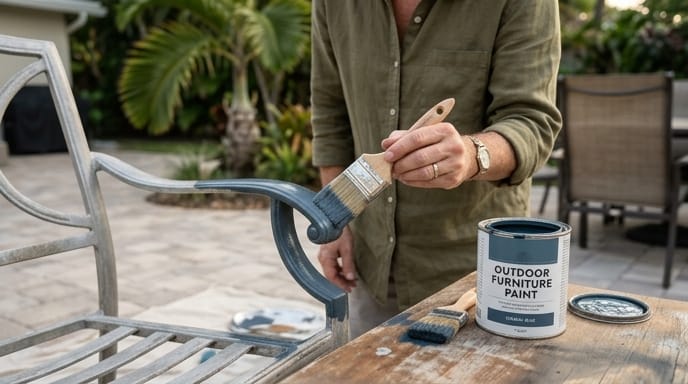
Once your outdoor furniture is meticulously prepared, the application of the outdoor furniture paint itself becomes the next critical phase. Proper technique ensures an even, smooth, and durable finish that truly transforms your pieces. Whether you choose to brush, roll, or spray, understanding the nuances of each method will elevate your results. This section covers various application methods and specific considerations for different materials when using outdoor furniture paint.
Is Spray Paint Suitable for Outdoor Furniture Paint?
Yes, spray paint can be an excellent choice for outdoor furniture paint, especially for intricate designs, wicker, or slatted furniture where brushes might struggle. Many brands offer exterior-grade spray paints specifically designed for outdoor use, providing good coverage and durability. They can achieve a very smooth, factory-like finish with proper technique.
When using spray outdoor furniture paint, apply it in thin, even coats to avoid drips and runs. Hold the can about 8-12 inches from the surface and keep it moving. Multiple thin coats are always better than one thick coat. Ensure you choose a product formulated for the material of your furniture and apply it in a well-ventilated area, preferably outdoors on a calm day.
For larger, flatter surfaces, a paint sprayer can also be a highly efficient way to apply liquid outdoor furniture paint, offering superior coverage and a professional finish. Always read the manufacturer’s instructions for specific drying times and recoat windows.
Repainting Metal Outdoor Furniture Paint
Repainting metal outdoor furniture paint involves several key steps to ensure a rust-free and long-lasting finish. First, thoroughly clean the furniture to remove dirt, grease, and any loose rust. Use a wire brush or sandpaper to remove all visible rust and flaking old paint. A rust converter product can be used on any remaining rust spots.
Next, prime the metal with a rust-inhibiting primer. This is a crucial step for metal outdoor furniture paint, as it creates a barrier against moisture and promotes adhesion. Apply two thin coats of primer, allowing adequate drying time between coats. Finally, apply two thin coats of a high-quality exterior metal paint, specifically formulated for outdoor use.
This careful process ensures that your metal outdoor furniture paint resists corrosion and maintains its vibrant appearance for many seasons. Always choose an outdoor furniture paint designed for metal to maximize durability and protection.
Using Outdoor Furniture Paint on Plastic
Yes, you can use outdoor furniture paint on plastic, but it’s important to choose a paint specifically formulated for plastic adhesion. Standard paints may not bond well to plastic surfaces and can peel easily. Many acrylic latex exterior paints work well, but some brands offer specialized “plastic fusion” paints that bond better to challenging plastic surfaces.
Before applying outdoor furniture paint to plastic, thoroughly clean the furniture with a mild detergent and water, then rinse and dry completely. Lightly scuff the plastic surface with fine-grit sandpaper (around 220 grit) to create a profile for the paint to adhere to. This step is crucial for ensuring the outdoor furniture paint bonds effectively.
Apply a plastic-specific primer if recommended by the paint manufacturer, then follow with thin, even coats of your chosen outdoor furniture paint. Allow ample drying time between coats. This careful approach will give your plastic furniture a fresh, durable finish.
__CTA_BLOCK__
Maintaining Your Outdoor Furniture Paint for Lasting Beauty
Even the most durable outdoor furniture paint requires some care to maintain its pristine appearance over time. Environmental factors, daily use, and general wear can all impact the longevity of your finish. Understanding how long your paint should last, why it might peel, and what colors are trending can help you keep your outdoor space looking its best. This final section provides insights into preserving your outdoor furniture paint.
How Long Does Outdoor Furniture Paint Last?
The longevity of outdoor furniture paint depends on several factors: the quality of the paint, the thoroughness of surface preparation, the application technique, and the furniture’s exposure to the elements. A properly applied, high-quality exterior paint can last anywhere from 3 to 7 years, or even longer with diligent maintenance.
Factors like direct sunlight, extreme temperature fluctuations, and heavy rainfall can accelerate wear and tear. Regular cleaning and occasional touch-ups can significantly extend the life of your outdoor furniture paint. Investing in furniture covers during off-seasons or severe weather can also help protect the finish and prolong its beauty.
Choosing a premium outdoor furniture paint with excellent UV and weather resistance will always yield better long-term results than a cheaper, less durable option. Proper care ensures your outdoor furniture paint continues to look fresh and vibrant for many seasons.
Why is My Outdoor Furniture Paint Peeling?
Outdoor furniture paint often peels due to improper surface preparation, moisture intrusion, or using the wrong type of paint. Inadequate cleaning, failing to sand, or skipping primer can prevent proper adhesion, causing the paint to lift and flake. Paint needs a clean, slightly rough surface to bond effectively.
Moisture trapped beneath the paint, either from incomplete drying before painting or from water seeping into cracks, can also cause peeling. Extreme temperature fluctuations, which cause materials to expand and contract, can stress the paint film and lead to cracking and peeling over time. Using an interior paint outdoors, or a paint not formulated for the specific furniture material, will also result in premature failure.
To prevent peeling, always follow the preparation steps meticulously, choose a high-quality exterior outdoor furniture paint, and apply it according to manufacturer instructions. Addressing these common issues will ensure your outdoor furniture paint remains intact and beautiful.
Trending Colors for Outdoor Furniture Paint
While classic neutrals like black, white, and various shades of gray remain popular for outdoor furniture paint, current trends lean towards incorporating more vibrant and earthy tones. Deep blues and greens, reminiscent of nature, are increasingly favored for creating serene and sophisticated outdoor retreats. These colors blend beautifully with natural surroundings.
Warm terracotta and muted rust tones are also gaining popularity, adding a touch of Mediterranean charm. For those seeking a bolder statement, bright yellows or coral can infuse energy and playfulness into a space. The key is to choose an outdoor furniture paint color that complements your home’s exterior and your personal style, creating a cohesive and inviting outdoor environment.
Consider how the color will interact with your landscaping and existing decor. A fresh coat of trending outdoor furniture paint can completely revitalize your outdoor aesthetic without a major overhaul. Explore more tips on our expert outdoor living solutions today!
Conclusion: Achieving a Flawless Finish with Outdoor Furniture Paint
Transforming your outdoor furniture with a fresh coat of outdoor furniture paint is a rewarding project that significantly enhances your living space. By adhering to the four powerful tips outlined in this guide – choosing the right paint, meticulously preparing the surface, mastering application techniques, and committing to regular maintenance – you can achieve a truly flawless and enduring finish.
Remember, the success of your outdoor furniture paint project hinges on attention to detail at every stage. From selecting a weather-resistant formula to ensuring proper adhesion through cleaning and sanding, each step contributes to the overall durability and aesthetic appeal. Embrace these expert insights, and your outdoor furniture paint will not only look stunning but also withstand the test of time and elements, providing beauty and enjoyment for years to come.
What is the best type of paint for outdoor furniture?
Acrylic latex exterior paints are generally best for outdoor furniture paint. They offer excellent flexibility, adhesion, and resistance to fading, cracking, and mildew. Look for products specifically labeled for “exterior use” or “outdoor furniture.” For metal, consider alkyd enamel or specialized rust-inhibiting paints.
How do you prepare outdoor furniture for painting?
Proper preparation is crucial for a lasting outdoor furniture paint finish. Start by thoroughly cleaning the furniture with a mild detergent and water, scrubbing away dirt, grime, and mildew. Rinse completely and allow it to dry. Remove any loose or peeling old paint, and then lightly sand the surface to create a profile for the new paint to adhere to.
Do I need to sand outdoor furniture before painting?
Yes, sanding is almost always necessary for outdoor furniture paint. Lightly sanding dulls the existing finish, creates tiny abrasions (a “tooth”), and helps the new paint adhere better. For heavily weathered or peeling paint, more extensive sanding to remove loose material is required. Always clean off sanding dust before priming or painting.
What brands offer durable outdoor furniture paint?
Several reputable brands offer high-quality, durable outdoor furniture paint. Look for options from Behr, Sherwin-Williams, Rust-Oleum, Krylon, and Valspar. Many of these brands have specific product lines designed for exterior use that boast excellent UV and weather resistance, perfect for ensuring your outdoor furniture paint endures.
How long does outdoor furniture paint last?
The longevity of outdoor furniture paint depends on the paint quality, surface preparation, application technique, and exposure to elements. A properly applied, high-quality exterior paint can last anywhere from 3 to 7 years, or even longer with proper maintenance. Regular cleaning and occasional touch-ups can extend its life.
Can I use outdoor furniture paint on plastic?
Yes, you can use outdoor furniture paint on plastic, but it’s important to choose a paint specifically formulated for plastic adhesion. Many acrylic latex exterior paints work well, but some brands offer specialized “plastic fusion” paints that bond better to challenging plastic surfaces. Always clean and lightly scuff the plastic first.
Why is my outdoor furniture paint peeling?
Outdoor furniture paint often peels due to improper surface preparation, moisture intrusion, or using the wrong type of paint. Inadequate cleaning, failing to sand, or skipping primer can prevent proper adhesion. Moisture trapped beneath the paint, or extreme temperature fluctuations, can also cause paint to lift and peel over time.
What are the steps to repaint metal outdoor furniture?
Repainting metal outdoor furniture paint involves several key steps: First, clean the furniture thoroughly to remove dirt and rust. Next, sand away any loose rust or old paint, then prime with a rust-inhibiting primer. Finally, apply two thin coats of a high-quality exterior metal paint, allowing adequate drying time between coats.
Is spray paint suitable for outdoor furniture?
Yes, spray paint can be suitable for outdoor furniture, especially for intricate designs or quick updates. Many brands offer exterior-grade spray paints specifically designed for outdoor use, providing good coverage and durability. Ensure you choose a product formulated for the material of your furniture and apply it in thin, even coats in a well-ventilated area.